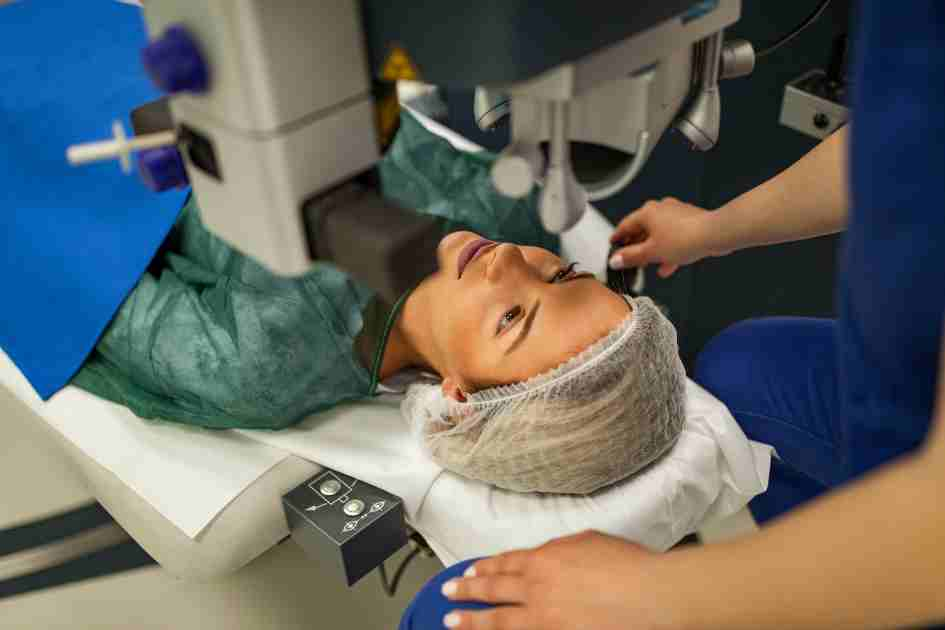
That said, out of all of the cataract treatment options, cataract surgery Sydney is by far the most effective. The process involves removing the cloudy lens in the affected eye and replacing it with a new intraocular lens implant to correct the person’s vision.
Cataract Surgery Cost Australia 2026: Complete Pricing Guide

Understanding the Cataract Surgery Cost Australia 2026 is essential for thousands of Australians seeking to restore their vision. As medical technology advances, the pricing structure for eye surgery has become more nuanced, involving a mix of Medicare subsidies, private health insurance tiers, and out-of-pocket professional fees.
This guide provides a comprehensive breakdown of what you can expect to pay, the variables that influence total costs, and how to navigate the Australian healthcare system to achieve the best visual outcome without unexpected financial strain.
What is Cataract Surgery?
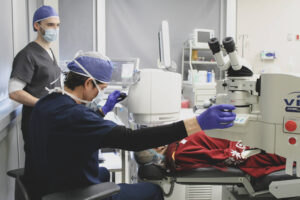
Cataract surgery is a microsurgical procedure where the eye’s cloudy natural lens is removed and replaced with an artificial intraocular lens (IOL). It is the most frequently performed elective surgery in Australia, boasting a high success rate and significantly improving quality of life.
In 2026, the procedure is typically performed using phacoemulsification (ultrasound) or femtosecond laser-assisted technology. The choice between these methods, along with the type of lens implanted, represents the primary “cost drivers” for patients.
See more: Can You Get Laser Eye Surgery After 40? Presbyopia Solutions
Breakdown of Cataract Surgery Cost Australia 2026
The total price of cataract surgery in Australia generally falls into three categories: the public system, private with insurance, and fully self-funded.
1. The Public System (Medicare)
If you choose to have your surgery in a public hospital, Medicare generally covers the entire cost.
- Out-of-pocket cost: $0.
- The Trade-off: You cannot choose your surgeon, you may receive a standard monofocal lens, and waiting lists can range from several months to over a year depending on your location (e.g., Sydney vs. regional areas).
2. Private Health Insurance (The “Gap”)
For those with private cover, the insurer typically pays for the hospital stay and a portion of the surgeon’s and anaesthetist’s fees.
- Average Out-of-pocket: $500 to $2,500 per eye.
- Components: This includes the “gap” fee for the specialist and any excess on your policy.
3. Self-Funded Private Surgery
Patients without insurance who wish to bypass public waiting lists can opt to pay the full commercial rate.
- Average Cost: $3,500 to $6,500 per eye.
- Note: A portion of the surgeon and anaesthetist fees is still claimable via Medicare.
Factors Influencing the Final Price
Why is there such a broad range in Cataract Surgery Cost Australia 2026? Several technical and professional variables dictate the final invoice.
Type of Intraocular Lens (IOL)
The lens you choose is a permanent investment in your vision.
- Monofocal Lenses: Usually covered by insurance; provides clear vision at one distance (usually far).
- Trifocal/Multifocal Lenses: Designed to reduce reliance on glasses for near, intermediate, and far vision. These often carry a “premium lens fee” of $400–$1,500 extra.
- Toric Lenses: Specifically designed to correct astigmatism.
Laser-Assisted vs. Manual Surgery
Standard cataract surgery uses a handheld blade. Femtosecond laser-assisted cataract surgery (FLACS) uses a precision laser for certain steps. While the laser can increase precision, it typically adds $500–$1,000 to the out-of-pocket cost as it is often not fully covered by Medicare or private funds.
Surgeon and Anaesthetist Fees
Experienced specialists often charge above the Medicare Benefits Schedule (MBS) fee. This reflects their expertise, the technology in their clinic, and the complexity of your specific case (e.g., if you have had prior LASIK or have glaucoma).
Step-by-Step Financial Planning for Surgery
Navigating the costs requires a logical approach to ensure you aren’t hit with “bill shock.”
- GP Referral: Obtain a referral to an ophthalmologist.
- Initial Consultation: Expect to pay $200–$400 for the first assessment (partially rebated by Medicare).
- Informed Financial Consent: Your surgeon must provide a written quote detailing the surgeon’s fee, anaesthetist’s fee, and hospital costs.
- Health Fund Check: Contact your private health fund with the “item numbers” (usually 42702 for cataract surgery) to confirm your level of cover.
Benefits of Choosing Private Surgery in 2026
While the public system is a vital resource, opting for private surgery offers distinct advantages:
- Surgeon Choice: You select the specialist who will operate on your eyes.
- Minimal Wait Times: Surgery is usually scheduled within weeks rather than months.
- Advanced Technology: Greater access to premium multifocal lenses and laser-assisted options that can eliminate the need for glasses entirely.
Common Pitfalls and How to Avoid Them
- Ignoring the Anaesthetist Fee: Many patients focus only on the surgeon. Ensure you ask for the anaesthetist’s quote separately.
- Inadequate Insurance Tier: Some “Basic” or “Bronze” private health tiers exclude cataracts. Check your policy at least 12 months in advance to avoid the one-year waiting period for pre-existing conditions.
- Post-Operative Costs: Clarify if the cost includes the first few post-op follow-up appointments and necessary medicated eye drops.

Comparison Table: Estimated Costs by State (Major Hubs)
| Location | Private (With Insurance Gap) | Self-Funded (Total) |
| Sydney, NSW | $800 – $2,500 | $4,500 – $6,500 |
| Melbourne, VIC | $750 – $2,200 | $4,200 – $6,000 |
| Brisbane, QLD | $600 – $1,800 | $3,800 – $5,500 |
| Perth, WA | $700 – $2,000 | $4,000 – $5,800 |
Note: Prices are estimates for 2026 and vary by clinic.
Internal Linking Suggestions
- Learn more about [Local SEO for Medical Practices] to find a clinic near you.
- Compare these costs with [Laser Eye Surgery Pricing Australia] for alternative vision correction.
- Check our guide on [Medicare Safety Net Thresholds 2026] to see if you qualify for higher rebates.
External Authoritative References
- The Royal Australian and New Zealand College of Ophthalmologists (RANZCO) – Patient Resources.
- Australian Government Department of Health and Aged Care – Medicare Benefits Schedule.
FAQ Section
Is cataract surgery covered by Medicare in 2026?
Yes, Medicare covers cataract surgery. In public hospitals, it is fully covered (bulk-billed). In private hospitals, Medicare pays 75% of the MBS fee for the surgeon and anaesthetist, while you or your private insurer cover the remaining “gap.”
How much does a premium multifocal lens cost?
In 2026, premium multifocal or trifocal lenses typically add between $1,000 and $2,500 to the total cost per eye. These are often considered “lifestyle upgrades” and are not fully covered by basic insurance plans.
What is the average waiting time for public cataract surgery?
Waiting times vary by state but generally range from 6 to 18 months. Urgent cases are prioritized, but “lifestyle” cataract surgery usually faces the longest delays in the public system.
Can I claim cataract surgery on my taxes?
While the Net Medical Expenses Tax Offset has been phased out for most, you should consult with a tax professional regarding any specific disability-related claims or through the use of self-managed super funds (SMSF) in specific circumstances.
Does private health insurance cover the entire cost?
Rarely. Most patients will still have a “gap” to pay for the surgeon and anaesthetist, plus any hospital excess defined in their policy.
Conclusion: Securing Your Vision in 2026
Navigating the Cataract Surgery Cost Australia 2026 involves balancing your clinical needs with your financial reality. Whether you choose the fully subsidized public route or invest in the precision and convenience of private care, the long-term value of restored vision is immeasurable. Always request a detailed “Informed Financial Consent” document before proceeding to ensure your journey to clear sight is transparent and stress-free.